Supporters of phasing out nuclear power point out that nuclear energy has always been linked to safety concerns, the cost of decommissioning plants, and the long-term storage of radioactive waste. In their view, the future should be built on clean and renewable sources, and the transition period inevitably takes time.
They also note that the development of wind and solar energy has already changed the market. Germany has become one of the countries where the energy transition has stopped being a theory and turned into a real economic sector with new technologies, jobs, and large-scale infrastructure.
Critics see the situation differently. They believe the phase-out happened before sufficient energy storage capacity, backup plants, and fully prepared grids were in place. As a result, the country faced higher electricity prices and an additional burden on industry.
The question of imports is a particular point of contention. If Germany buys part of its energy from neighbors who produce it at nuclear or coal-fired power plants, does this constitute a real solution? Or is the environmental burden simply being shifted to where the generation takes place?
This is where the main philosophical question of the whole debate emerges: does it matter only that emissions are falling within national borders, or should the full footprint of the entire system be assessed, including imported energy and external sources of production?
Today, debates about the future of the energy balance continue in Germany. In public discourse, ideas periodically arise to revisit earlier decisions, maintain technological neutrality, and take a new look at nuclear power as a temporary or supplementary element of the transition period.
A final answer has not yet been given. Germany remains one of the most interesting global examples of how environmental goals collide with economics, technological constraints, and the realities of everyday life. That means this debate matters not only for one country, but for everyone searching for a path to a sustainable future.
(c) Charity Guide platform (2026)
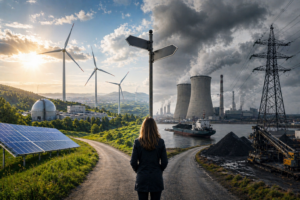 • The last nuclear power plants in Germany were shut down in 2023.